
Weight loss often feels like a simple equation: eat less, move more, and watch the numbers drop on the scale. Yet, this narrow focus misses the bigger picture. The scale shows only one aspect of health and progress. True weight loss involves changes in body composition, mental well-being, habits, and overall lifestyle. Understanding this broader view can help you stay motivated, avoid frustration, and build lasting results.
Why Your Bathroom Scale Can Mislead Weight Loss
Many people step on the scale expecting a clear sign of success. When the number doesn’t change or even goes up, it can feel like failure. But the scale only measures total body weight, which includes muscle, fat, water, and even the contents of your digestive system. This means:
- Muscle gain can mask fat loss. If you start exercising, especially strength training, you may build muscle while losing fat. Muscle weighs more than fat by volume, so your weight might stay the same or increase even though your body is getting leaner.
- Water retention fluctuates daily. Salt intake, hydration, hormonal changes, and stress can cause your body to hold onto water, affecting your weight temporarily.
- Digestive contents vary. What you eat and when you weigh yourself can influence the scale number.
Focusing only on the scale ignores these factors and can lead to discouragement or unhealthy behaviors like extreme dieting.
Why Body Composition Matters More Than Pounds
Body composition refers to the proportion of fat, muscle, bone, and water in your body. Improving body composition means reducing fat while maintaining or increasing muscle mass. This has many benefits beyond appearance:
- Better metabolism. Muscle burns more calories at rest than fat, helping maintain weight loss.
- Improved strength and function. More muscle supports daily activities and reduces injury risk.
- Health markers improve. Lower body fat reduces risk of diabetes, heart disease, and other conditions.
Tracking body composition can be done through methods like skinfold measurements, bioelectrical impedance scales, or professional assessments such as DEXA scans. These tools provide a clearer picture of progress than weight alone.
Mental And Emotional Factors In Lasting Weight Loss
Weight loss is not just physical; it deeply affects mental and emotional health. Stress, self-esteem, body image, and motivation all play roles in your journey.
- Stress impacts weight. Chronic stress raises cortisol levels, which can increase fat storage, especially around the abdomen.
- Body image matters. Focusing only on weight can create negative feelings about your body. Appreciating how you feel, how clothes fit, or your energy levels can be more rewarding.
- Motivation fluctuates. Plateaus or slow progress on the scale can cause frustration. Recognizing other signs of improvement helps maintain motivation.
Building a positive mindset and self-compassion supports sustainable changes and reduces the risk of yo-yo dieting.
Healthy Habits That Support Weight Loss Off Scale
Weight loss success depends on habits that improve overall health, not just calorie counting. These habits include:
- Balanced nutrition. Focus on whole foods, plenty of vegetables, lean proteins, and healthy fats rather than restrictive diets.
- Regular physical activity. Combine cardio, strength training, and flexibility exercises to support fat loss and muscle gain.
- Adequate sleep. Poor sleep disrupts hormones that regulate hunger and metabolism.
- Hydration. Drinking enough water supports metabolism and reduces water retention.
- Mindful eating. Paying attention to hunger and fullness cues prevents overeating.
Tracking these habits can be more meaningful than obsessing over daily weight changes.
Ways To Track Weight Loss Progress Without Scale
There are many ways to see progress that don’t involve stepping on a scale:
- Clothing fit. Notice how your clothes feel looser or more comfortable.
- Photos. Take regular pictures to visually track changes in your body shape.
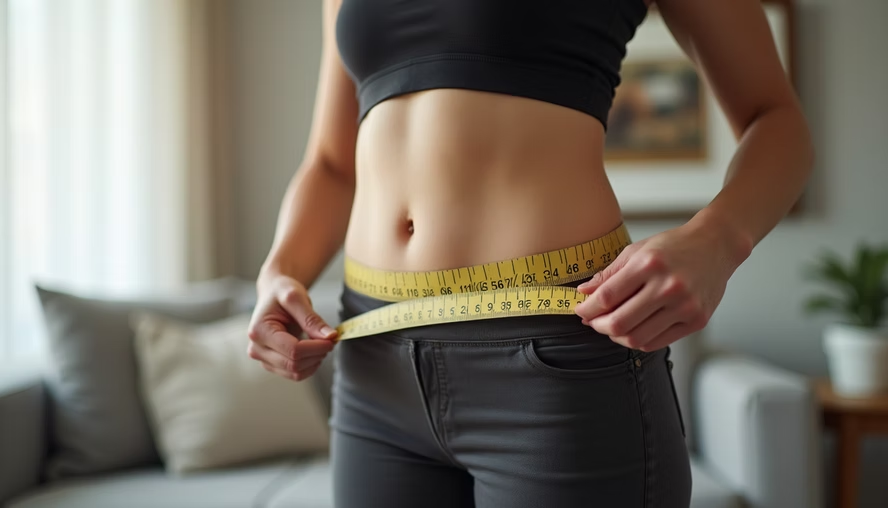
- Measurements. Use a tape measure to track waist, hips, arms, and thighs.
- Fitness improvements. Track strength gains, endurance, or flexibility.
- Energy and mood. Pay attention to how you feel throughout the day.
Using multiple methods gives a fuller picture of your health journey.
Setting Realistic Weight Loss Goals You Can Keep
Weight loss is rarely linear. You may lose weight quickly at first, then slow down or plateau. This is normal and does not mean failure. Understanding that progress includes many factors helps you stay patient and consistent.
- Aim for gradual changes rather than quick fixes.
- Celebrate non-scale victories like improved sleep or better mood.
- Avoid comparing yourself to others or unrealistic images.
Remember, the goal is better health and well-being, not just a number.
When To Seek Medical Weight Loss Clinic Support
If you struggle with weight loss or body image, consider consulting professionals:
- Registered dietitians can help create personalized nutrition plans.
- Certified trainers can design safe and effective exercise programs.
- Mental health counselors can support emotional challenges related to weight and self-esteem.
Professional support increases the chances of lasting success and helps address underlying issues.