Weight loss has long been a challenge for many people, with countless diets, exercise plans, and supplements promising results that often fall short. Recently, a new class of medications called GLP-1 receptor agonists has emerged, offering a fresh approach to weight management. These medications are changing how healthcare providers and patients think about weight loss by targeting the body’s natural appetite and metabolism controls.
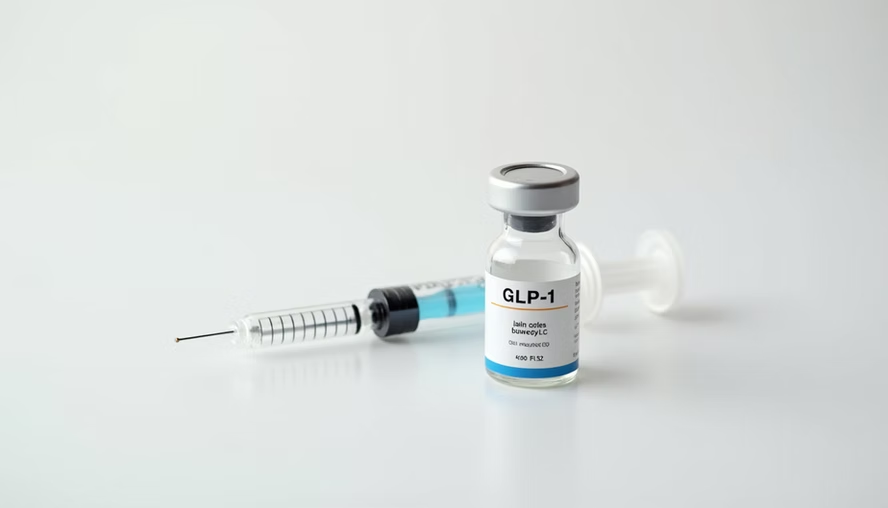
GLP-1 medication vial and syringe, close-up view of medication used for weight loss
What GLP-1 Medications Are And How They Work
GLP-1 stands for glucagon-like peptide-1, a hormone produced in the gut that plays a key role in regulating appetite and blood sugar levels. GLP-1 medications mimic this hormone’s effects, helping the body manage hunger and glucose more effectively.
Originally developed to treat type 2 diabetes, these drugs have shown significant benefits in reducing body weight. They work by:
- Slowing stomach emptying, which increases feelings of fullness
- Reducing appetite signals in the brain
- Enhancing insulin secretion when blood sugar is high
Because of these effects, GLP-1 medications help people eat less without feeling deprived, making weight loss more sustainable.
How GLP-1 Medications Support Lasting Weight Loss
The main way GLP-1 medications support weight loss is by changing how the body signals hunger and fullness. Many people struggle with overeating because their brain does not register satiety properly. GLP-1 drugs improve this signaling, so patients feel satisfied with smaller portions.
Clinical trials have demonstrated that patients using GLP-1 receptor agonists lose significantly more weight than those on placebo or standard care. For example, one study found that participants lost an average of 15% of their body weight over 68 weeks while taking a GLP-1 medication, compared to 2.4% in the control group.
Besides appetite control, these medications also improve metabolism by:
- Increasing energy expenditure slightly
- Improving insulin sensitivity
- Reducing fat accumulation in the liver
These combined effects make GLP-1 medications a powerful tool for weight management, especially for people with obesity or metabolic conditions.
Who GLP-1 Medications Are Safely Recommended For
GLP-1 medications are typically prescribed for adults with a body mass index (BMI) of 30 or higher, or those with a BMI of 27 and above who also have weight-related health problems such as:
- Type 2 diabetes
- High blood pressure
- Sleep apnea
- High cholesterol
Doctors evaluate each patient’s health status and weight loss goals before recommending these drugs. They are not a quick fix but part of a comprehensive plan that includes diet, exercise, and lifestyle changes.
Real-Life Ways GLP-1 Medications Are Used
Consider Sarah, a 45-year-old woman with a BMI of 32 and type 2 diabetes. Despite trying multiple diets, she struggled to lose weight and control her blood sugar. After starting a GLP-1 medication under her doctor’s supervision, Sarah noticed reduced hunger and lost 20 pounds over six months. Her blood sugar levels also improved, reducing her need for other diabetes medications.
Another example is Mark, a 38-year-old man with obesity and high blood pressure. He combined GLP-1 medication with a moderate exercise routine and healthier eating habits. Over a year, Mark lost 25 pounds and saw his blood pressure drop to a safer range.
These stories highlight how GLP-1 medications can support lasting weight loss when combined with healthy habits.
Key GLP-1 Side Effects And Safety Considerations
Like all medications, GLP-1 drugs come with possible side effects. The most common include:
- Nausea or vomiting
- Diarrhea or constipation
- Headache
- Fatigue
These symptoms often improve after the first few weeks as the body adjusts. Patients should communicate with their healthcare provider to manage side effects and ensure safe use.
GLP-1 medications are not suitable for everyone. People with a history of certain thyroid cancers or pancreatitis should avoid them. Pregnant or breastfeeding women should also not use these drugs.
How GLP-1 Medications Fit Your Weight Loss Plan
GLP-1 medications work best when combined with lifestyle changes. They help reduce hunger and improve metabolism, but sustainable weight loss requires:
- Balanced nutrition focusing on whole foods
- Regular physical activity tailored to individual ability
- Behavioral strategies to support healthy habits
Healthcare providers often recommend ongoing counseling or support groups alongside medication to improve outcomes.
Future Of Weight Loss Using GLP-1 Medications
Research continues to explore new GLP-1 drugs with improved effectiveness and fewer side effects. Some newer medications combine GLP-1 with other hormones to enhance weight loss further.
As more people gain access to these treatments, the approach to obesity and weight management may shift from solely focusing on willpower to using medical tools that address biological factors.