What Processed Foods Are And How They Affect You
Processed foods are items that have been altered from their natural state for convenience, preservation, or taste. This includes anything from minimally processed foods like washed and cut vegetables to heavily processed products such as ready-to-eat meals and snacks loaded with additives.
Common examples of processed foods include:
- Packaged snacks like chips and cookies
- Sugary breakfast cereals
- Frozen dinners
- Processed meats such as sausages and deli slices
- Soft drinks and sweetened beverages
Understanding these examples helps you identify what to limit or avoid.
Shop The Store Perimeter To Fill Your Cart Healthier
Most grocery stores place fresh produce, dairy, meat, and bakery items around the store’s edges. These sections usually contain less processed foods. The inner aisles often hold canned, boxed, and frozen processed products.
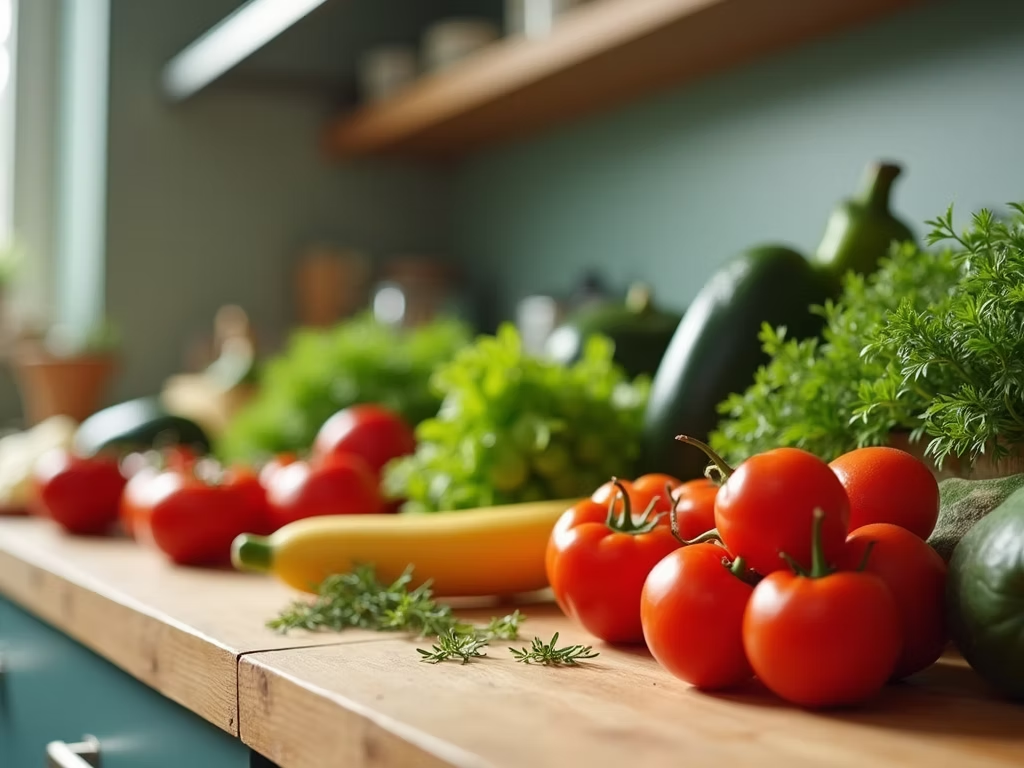
Tip: Focus your shopping on the perimeter to fill your cart with whole foods like:
- Fresh fruits and vegetables
- Whole cuts of meat or fish
- Plain yogurt and milk
- Whole grain bread from the bakery section
Read Ingredient Labels To Spot Hidden Additives
Processed foods often contain long lists of ingredients, many of which are artificial additives, preservatives, or added sugars. Learning to read labels helps you avoid these.
Look out for:
- Ingredients you don’t recognize or can’t pronounce
- Added sugars listed as corn syrup, sucrose, or fructose
- Hydrogenated oils or trans fats
- Artificial colors and flavors
Choose products with short ingredient lists made from recognizable foods.
Cook More At Home To Control Ingredients
Preparing meals at home gives you full control over what goes into your food. You can avoid processed ingredients and use fresh, whole foods instead.
Start with simple recipes using:
- Fresh vegetables
- Whole grains like brown rice or quinoa
- Lean proteins such as chicken breast or beans
Batch cooking and freezing portions can save time on busy days.
Choose Whole Fruits Instead Of Juices And Snacks
Fruit juices and fruit snacks are often highly processed and contain added sugars. Whole fruits provide fiber, vitamins, and minerals without the extra sugar.
Examples to avoid:
- Fruit-flavored drinks
- Fruit roll-ups or gummies
- Sweetened canned fruits
Carry fresh fruit like apples, bananas, or berries as convenient snacks.
Swap Sugary Cereals For Whole Grain Breakfasts
Many breakfast cereals are heavily processed and loaded with sugar. Instead, opt for whole grain options like:
- Oatmeal
- Whole grain toast with nut butter
- Plain yogurt topped with fresh fruit and nuts
These choices provide sustained energy and fewer additives.
Limit Processed Meats And Choose Lean Protein
Processed meats often contain preservatives like nitrates and high levels of sodium. Regular consumption is linked to health risks.
Examples to limit or avoid:
- Hot dogs
- Bacon
- Sausages
- Deli meats
Choose fresh cuts of meat or plant-based protein alternatives instead.
Use Natural Sweeteners Lightly To Cut Sugar
Many processed foods contain refined sugars that spike blood sugar levels. When you need sweetness, use natural options like:
- Honey
- Maple syrup
- Dates
Use these in moderation and avoid packaged sweets with added sugars.
Snack On Nuts Seeds And Vegetables Instead
Instead of reaching for processed snacks, choose whole food snacks that provide nutrients and keep you full longer.
Good snack options include:
- Raw or roasted nuts without added salt
- Fresh carrot or celery sticks
- Air-popped popcorn without butter or artificial flavoring
These snacks are easy to prepare and carry.
Drink Water Or Unsweetened Drinks To Cut Sugar
Sugary drinks are a major source of processed sugars and empty calories. Replace sodas, energy drinks, and sweetened teas with:
- Water
- Herbal teas
- Sparkling water with a splash of lemon or lime
Staying hydrated with these options supports overall health.
Plan Meals And Snacks Ahead To Stay On Track
Planning helps you avoid last-minute choices that often lead to processed food consumption. Prepare a weekly meal plan and grocery list focused on whole foods.
Tips for planning:
- Cook extra portions for leftovers
- Pack snacks for work or school
- Keep your kitchen stocked with staples like beans, rice, and frozen vegetables
This reduces reliance on convenience foods.
Health Benefits You Gain By Avoiding Processed Foods
Avoiding processed foods takes effort but leads to better health and more energy. By shopping smart, cooking at home, and choosing whole foods, you can reduce your intake of additives and unhealthy ingredients. Start with small changes like swapping sugary cereals for oatmeal or replacing processed snacks with nuts. Over time, these habits build a stronger foundation for a healthier lifestyle.
Incorporating these changes into your routine can significantly impact your health. I encourage you to take one step at a time. Remember, every small change counts. Embrace the journey towards a healthier you.